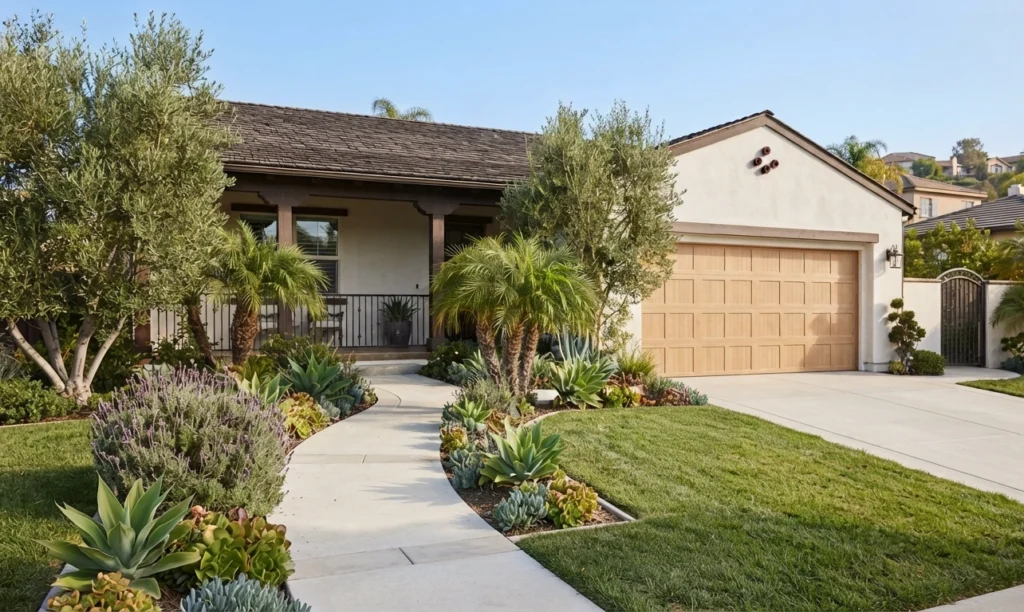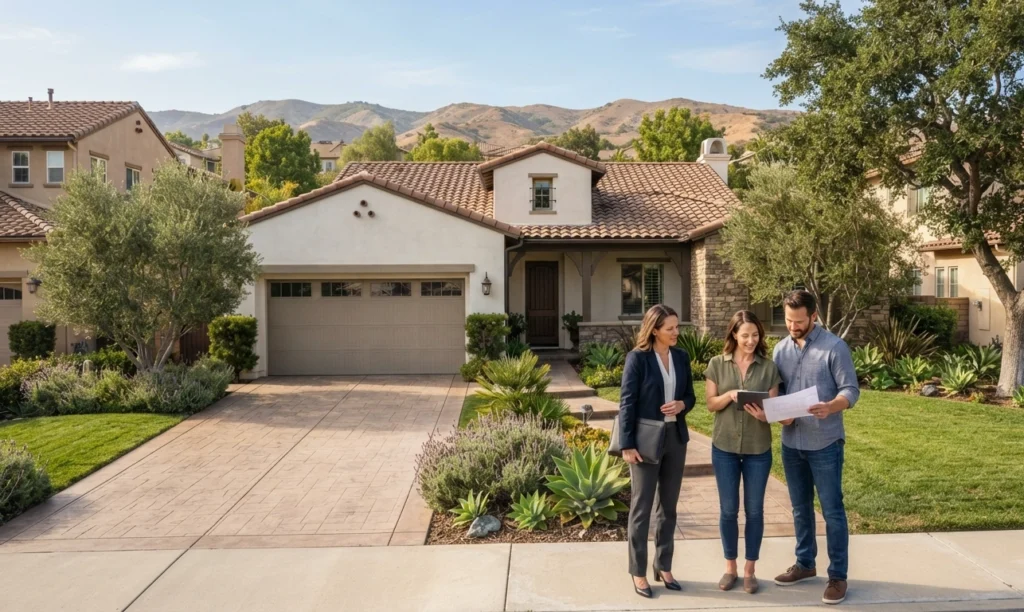
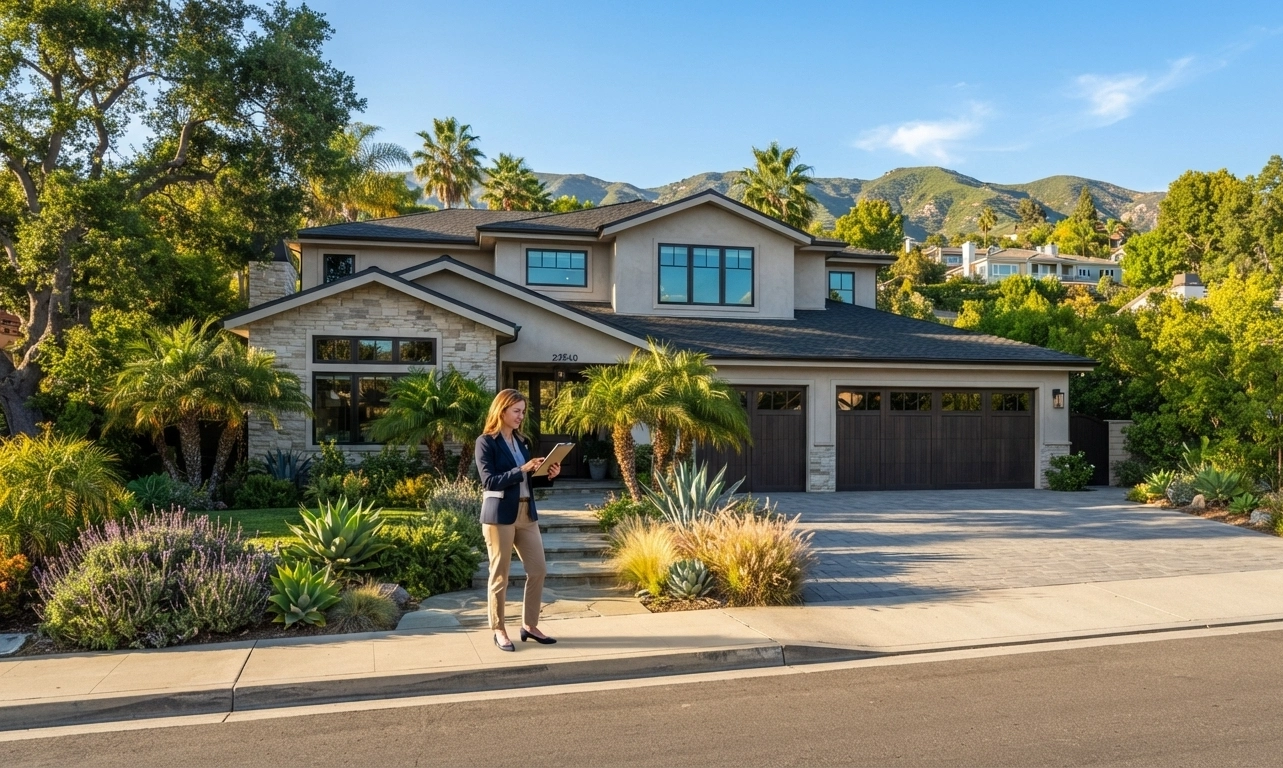
If you own a home in Woodland Hills, one of the most important questions you may have is, “How much is my Woodland Hills home worth?”
Your home’s value can influence nearly every major real estate decision you make. You may be considering selling, refinancing, purchasing another property, planning for retirement, calculating your net worth, or simply keeping track of your investment. Whatever your reason, an accurate understanding of your property’s current market value is essential.
The challenge is that determining a home’s value is not as simple as looking at the price of another house nearby. Two properties on the same street can have dramatically different values because of differences in size, condition, renovations, lot size, views, layout, location, and buyer demand.
Woodland Hills is also a diverse real estate market. Properties can range from older single-story homes to extensively renovated residences, larger properties with pools and views, and homes in distinct pockets of the community. As a result, a broad neighborhood average is useful for context, but it does not tell you exactly what your individual home could sell for.
This local home valuation guide explains the factors that matter most when estimating your Woodland Hills home’s value and how a professional valuation can help you make a more informed decision.
What Is the Current Woodland Hills Housing Market Like?
Before estimating an individual home’s value, it helps to understand the broader market.
Recent 2026 market data shows that Woodland Hills remains a substantial and active Southern California housing market, but pricing varies considerably by property and location. Redfin reported a median Woodland Hills sale price of approximately $1.21 million for the three months ending May 2026, with the median sale price down 5.2% year over year. Homes were taking roughly 46 days to sell during that period.
Realtor.com reported a June 2026 median sold price of approximately $1.342 million, a median listing price of about $1.54 million, and a median of 44 days on market.
The difference between these figures illustrates an important point: market statistics are benchmarks, not individual property valuations.
A renovated home with desirable features may be worth substantially more than the neighborhood median, while a property requiring significant repairs may command considerably less.
That is why the answer to “How much is my Woodland Hills home worth?” should begin with comparable properties rather than a single citywide number.
The 8 Biggest Factors That Determine Your Woodland Hills Home Value
1. Recent Comparable Home Sales
Comparable sales, often called “comps,” are one of the most important tools used to estimate a home’s market value.
A comparable property should ideally resemble your home in several important ways:
- Similar location
- Similar square footage
- Similar lot size
- Similar number of bedrooms and bathrooms
- Similar architectural style
- Similar age and construction
- Similar condition
- Similar amenities
- Similar neighborhood characteristics
The most useful comps are generally homes that have recently sold, rather than properties that are merely listed for sale.
An asking price tells you what a seller hopes to receive. A closed sale provides evidence of what a buyer actually paid.
For a Woodland Hills property, choosing the right comparable homes is especially important because values can vary significantly between different areas and property types.
2. Location Within Woodland Hills
“Woodland Hills” describes a large area, but not every location within it carries the same value.
A home’s position relative to major roads, shopping, employment centers, parks, schools, neighborhood amenities, and surrounding communities can influence buyer demand.
Even homes that are only a short distance apart may appeal to different groups of buyers.
For example, a quiet residential street may be more attractive to one buyer than a property located directly on a busy road. A home with convenient access to major transportation routes may appeal to another buyer.
Micro-location matters.
When estimating your home’s value, a local real estate professional should look beyond the general Woodland Hills market and examine the specific neighborhood and immediate surroundings.
3. Square Footage and Functional Layout
Size matters, but usable space matters too.
A 2,000-square-foot home with a functional floor plan may compete very differently from a home with the same square footage divided into smaller or less practical rooms.
Buyers commonly consider:
- Number of bedrooms
- Number of bathrooms
- Primary bedroom size
- Kitchen layout
- Living and entertaining areas
- Storage
- Home office space
- Indoor-outdoor flow
- Garage capacity
- Overall functionality
Price per square foot can be a helpful reference point, but it should never be used by itself to determine a home’s value.
Realtor.com reported a Woodland Hills median of approximately $655 per square foot in June 2026, while Redfin reported approximately $616 per square foot for its May 2026 market period.
Those figures demonstrate the usefulness of price-per-square-foot data, but they also demonstrate why relying on one number can produce an inaccurate valuation.
4. Renovations and Upgrades
Improvements can have a major effect on what buyers are willing to pay.
A recently renovated kitchen, updated bathrooms, modern flooring, upgraded windows, newer systems, or improved landscaping can make a home more competitive.
However, homeowners should be careful about assuming that every dollar spent on a renovation will automatically translate into an equal increase in market value.
For example, a $100,000 renovation does not necessarily mean the home’s market value increases by exactly $100,000.
The return depends on:
- The quality of the work
- Whether the improvements match buyer expectations
- The condition of competing homes
- Current buyer preferences
- The neighborhood’s price range
- How recently the renovation was completed
- Whether the work was professionally completed
The most valuable improvements are often those that improve both appearance and functionality without making the property feel over-improved for its neighborhood.
5. Lot Size and Outdoor Features
The land surrounding a home can contribute significantly to its value.
Woodland Hills properties with larger lots may attract buyers looking for privacy, outdoor entertaining space, gardens, pools, or room for additional amenities.
Features such as these can influence perceived value:
- Swimming pool
- Large backyard
- Outdoor kitchen
- Covered patio
- Mature landscaping
- Privacy
- Flat usable yard space
- Views
- Multiple outdoor entertaining areas
Not all outdoor space is valued equally, however.
A beautifully landscaped, usable yard may be more appealing than a larger but difficult-to-use area. The property’s topography, privacy, condition, and overall presentation all matter.
6. Views, Privacy, and Special Features
Unique characteristics can make a Woodland Hills home stand out from otherwise similar properties.
Depending on the location, buyers may place a premium on features such as attractive views, privacy, mature trees, architectural character, upgraded outdoor living areas, or particularly desirable lots.
These features can be difficult for an automated valuation model to evaluate accurately because there may be relatively few directly comparable sales.
This is one reason a local professional valuation can be particularly helpful for distinctive properties.
7. Condition and Maintenance
Two homes with identical square footage and similar lots can have very different market values if one is move-in ready and the other needs extensive work.
Buyers often evaluate:
- Roof condition
- HVAC systems
- Plumbing
- Electrical systems
- Windows
- Flooring
- Paint
- Kitchen and bathrooms
- Landscaping
- Structural condition
- Overall maintenance
A home that requires significant repairs may need to be priced differently from a turnkey property.
Even relatively small cosmetic issues can affect a buyer’s perception when a home is competing against other properties.
8. Current Buyer Demand
Home values are not determined only by the physical characteristics of a property. They are also influenced by what buyers are willing to pay at a particular moment.
Interest rates, inventory, employment conditions, consumer confidence, seasonal demand, and the availability of competing homes can all affect pricing.
Current Woodland Hills data indicates a market where homes are still selling, but buyers are not necessarily paying any price simply because a property is available. Redfin described the market as “somewhat competitive,” with homes selling at approximately 99.6% of list price on average during its May 2026 reporting period.
That makes accurate pricing increasingly important. A seller who prices substantially above the market may have to wait longer and eventually make price reductions, while a properly positioned property can attract stronger attention from qualified buyers.
Why Online Home Value Estimates Can Be Different
You may have entered your address into several online valuation tools and received completely different estimates.
That is normal.
Automated valuation models use available property records, historical sales, market trends, and other data to generate an estimated value. They can be useful for getting a general idea of the market, but they cannot always account for the details that make your property unique.
An online estimate may not fully understand:
- The quality of a recent remodel
- Interior condition
- Deferred maintenance
- A desirable floor plan
- A premium view
- Privacy
- Landscaping quality
- Noise from nearby roads
- The difference between a basic and high-end renovation
- Unique architectural characteristics
For a standard property with abundant comparable sales, an automated estimate may be reasonably informative.
For a unique or highly upgraded home, however, professional analysis can provide important additional context.
How a Professional Woodland Hills Home Valuation Works
A professional home valuation typically begins with a detailed review of your property.
The process may consider:
Step 1: Review Your Property
The home’s size, lot, age, condition, layout, bedrooms, bathrooms, parking, upgrades, and special features are evaluated.
Step 2: Analyze Recent Comparable Sales
Similar properties that have recently sold are researched and compared with your home.
Step 3: Study Current Competition
Active listings and properties that recently went under contract can provide insight into what buyers are seeing today.
Step 4: Account for Differences
Adjustments are considered for meaningful differences in size, condition, location, upgrades, lot characteristics, views, pools, and other features.
Step 5: Evaluate Market Conditions
The broader Woodland Hills market and current buyer behavior are considered.
Step 6: Develop a Market Value Range
Rather than pretending there is one perfect number, a thoughtful valuation can establish a realistic range based on the available evidence.
If you’re planning to sell, the recommended listing price may be different from the home’s estimated market value because pricing strategy also considers competition, timing, buyer psychology, and the property’s marketing position.
What Is My Woodland Hills Home Worth If I Want to Sell?
If you’re asking because you are considering selling, don’t focus solely on the highest possible estimate.
The better question is:
What price is most likely to attract qualified buyers while maximizing my property’s sale proceeds?
Overpricing can create problems.
A property that sits on the market for an extended period may begin to attract less attention. Buyers may assume there is an issue with the property or expect a future price reduction.
Underpricing can also be problematic if the strategy does not generate the intended buyer response.
The goal is to develop a pricing strategy based on current evidence.
This means examining comparable sales, competing listings, property condition, market momentum, and the unique characteristics of your home.
How to Increase Your Woodland Hills Home’s Value Before Selling
If your valuation suggests that your home could benefit from improvements, you don’t necessarily need to undertake a major renovation.
Strategic preparation can make a meaningful difference.
Consider:
Improve curb appeal. Clean landscaping, fresh exterior presentation, and an inviting entrance create a strong first impression.
Declutter the interior. Removing unnecessary furniture and personal items can make rooms appear larger and more functional.
Address obvious maintenance issues. Buyers may react negatively to visible repairs, even when they are relatively inexpensive to fix.
Refresh high-impact areas. Kitchens, bathrooms, flooring, lighting, and paint can influence how buyers perceive the overall condition.
Improve outdoor presentation. Clean patios, maintained landscaping, and functional outdoor areas can make a property more appealing.
The right improvements depend on your specific home and the expectations of buyers in your price range. Spending money simply because a renovation sounds valuable is not always the best strategy.
Why Local Expertise Matters When Valuing a Woodland Hills Home
Real estate is local, and home valuation becomes increasingly precise as the analysis becomes more specific.
National housing statistics can tell you what is happening broadly. Citywide statistics can provide a wider benchmark. Neighborhood data can narrow the picture further.
But your property’s value ultimately depends on how buyers compare your home against other homes they could purchase at the same time.
A local real estate professional can evaluate the details that a general market report may miss and help you understand how your property fits into the current Woodland Hills market.
This is particularly important if your property has a unique floor plan, significant renovations, a large lot, a pool, views, or other features that make direct comparisons difficult.
Don’t Guess What Your Woodland Hills Home Is Worth
So, how much is your Woodland Hills home worth?
The answer cannot be determined accurately from a single neighborhood median, an online calculator, or the asking price of a nearby property.
Current Woodland Hills market data provides useful context, with recent reports placing median sold prices around the low-to-mid $1 million range, but individual properties can vary substantially based on location, size, condition, upgrades, lot characteristics, and buyer demand.
The most reliable way to understand your home’s current value is to evaluate the property against relevant, recent comparable sales and current market conditions.
Whether you’re thinking about selling now, considering a move in the future, or simply want to understand your property’s position in the market, a personalized valuation can give you a much clearer starting point.
Frequently Asked Questions About Woodland Hills Home Values
How much is the average home worth in Woodland Hills?
There is no single value that applies to every Woodland Hills home. Recent 2026 market reports show median sold prices in the approximate $1.2 million to $1.34 million range, depending on the source and reporting period. Individual homes can be worth significantly more or less based on their specific characteristics.
What is the most accurate way to determine my home’s value?
A comparative market analysis using recent, relevant comparable sales is one of the most practical ways to estimate current market value. A professional can also evaluate your home’s condition, upgrades, location, lot, and other features.
Are Zillow or Redfin estimates accurate?
Online estimates can provide a useful starting point, but they are not guaranteed to reflect the actual market value of an individual property. They may not fully account for renovations, condition, views, privacy, layout, or other property-specific characteristics.
Does remodeling increase my Woodland Hills home’s value?
It can. Renovations may improve buyer appeal and market value, particularly when they address outdated or undesirable features. However, the return on investment varies depending on the improvement, quality, cost, and local buyer expectations.
Does square footage determine home value?
Square footage is an important factor, but it is not the only one. Location, lot size, condition, layout, renovations, amenities, views, and current buyer demand can all influence value.
How often should I have my home valued?
If you’re not planning to sell, checking your home’s estimated market position every year or two can help you monitor your investment. If you’re considering selling, refinancing, relocating, or making a major financial decision, a current valuation is more useful.
Is the highest valuation always the best?
No. A realistic valuation based on current market evidence is generally more useful than an optimistic number that is difficult to support with comparable sales. If you’re selling, the right pricing strategy should consider both market value and buyer behavior.
What should I do before requesting a home valuation?
Make a list of recent improvements, repairs, upgrades, and major systems. Gather information about the home’s square footage, lot size, bedrooms, bathrooms, and any features such as a pool or significant outdoor improvements. This information can help create a more complete picture of the property.
Get a Local Woodland Hills Home Valuation
Contact Ronald Laws for a Personalized Home Value Review
If you’re asking “How much is my Woodland Hills home worth?”, don’t rely on a generic estimate when you’re making an important real estate decision.
Ronald Laws can help you take a closer look at the factors that influence your property’s current market value, including comparable sales, property condition, improvements, location, and current buyer demand.
Whether you’re preparing to sell, planning ahead, or simply curious about your home’s current market position, a personalized valuation can give you the information you need to make a more confident decision.
Contact Ronald Laws today to discuss your Woodland Hills property and learn more about its potential market value.