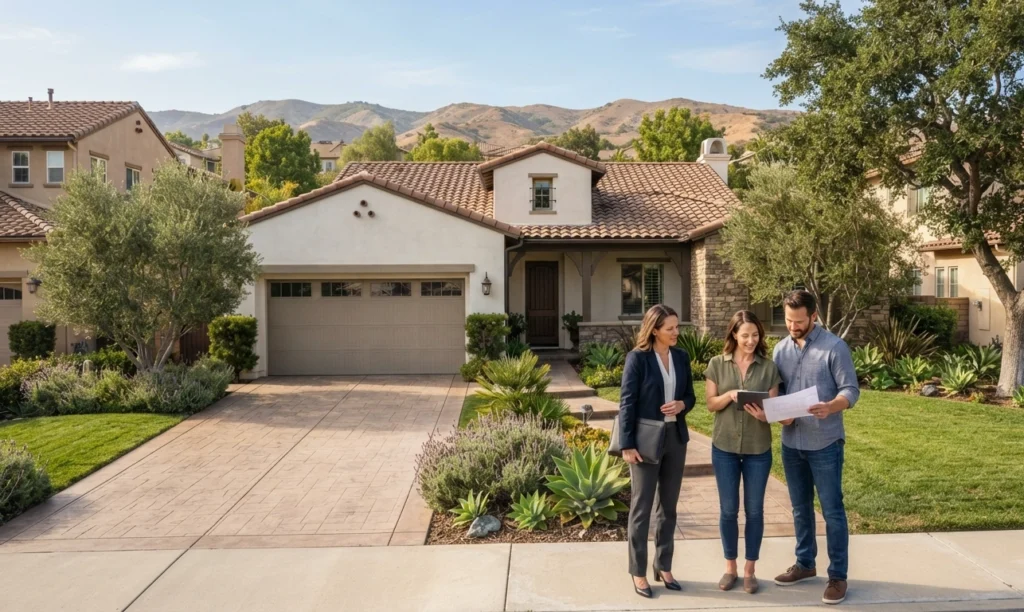
Selling a home in Los Angeles County involves more than cleaning the house, putting up a “For Sale” sign, and waiting for offers. Buyers evaluate a property based on condition, location, functionality, presentation, and perceived value. Once a buyer obtains financing, the property may also need to stand up to an appraisal that supports the contract price.
That makes preparation especially important.
From a Realtor-appraiser perspective, the goal is not necessarily to make your home the most expensive-looking property on the block. The goal is to make it marketable, well-documented, visually appealing, and defensible from a valuation standpoint.
Los Angeles County contains an enormous variety of housing markets. A home in the San Fernando Valley may compete with properties differently than a condominium in the South Bay, a suburban property in the eastern San Gabriel Valley, or a hillside home closer to central Los Angeles. Buyers and appraisers consider the characteristics of the specific neighborhood and the comparable properties that compete with the home.
The following checklist can help you prepare your property before it goes on the market.
1. Start With a Pre-Listing Property Assessment
Before spending money on improvements, walk through your home as if you were seeing it for the first time.
Homeowners naturally become accustomed to worn finishes, small repairs, dated fixtures, and clutter. A prospective buyer notices them immediately.
Look at the property from three perspectives:
- What would a buyer notice during the first five minutes?
- What could make an appraiser question the property’s condition?
- What defects could become negotiation points after an inspection?
Create a list of everything that needs attention, then separate the items into three categories:
Must fix: Safety issues, active leaks, major deferred maintenance, broken systems, obvious defects, and problems that could interfere with financing or inspections.
Should fix: Cosmetic issues and functional problems that make the home appear poorly maintained.
Optional upgrades: Improvements that may enhance appeal but are unlikely to produce enough additional value to justify their cost.
This approach prevents sellers from spending tens of thousands of dollars on upgrades that buyers may not value proportionately.
2. Improve Curb Appeal Before Listing
Your home’s exterior establishes expectations before a buyer walks through the front door.
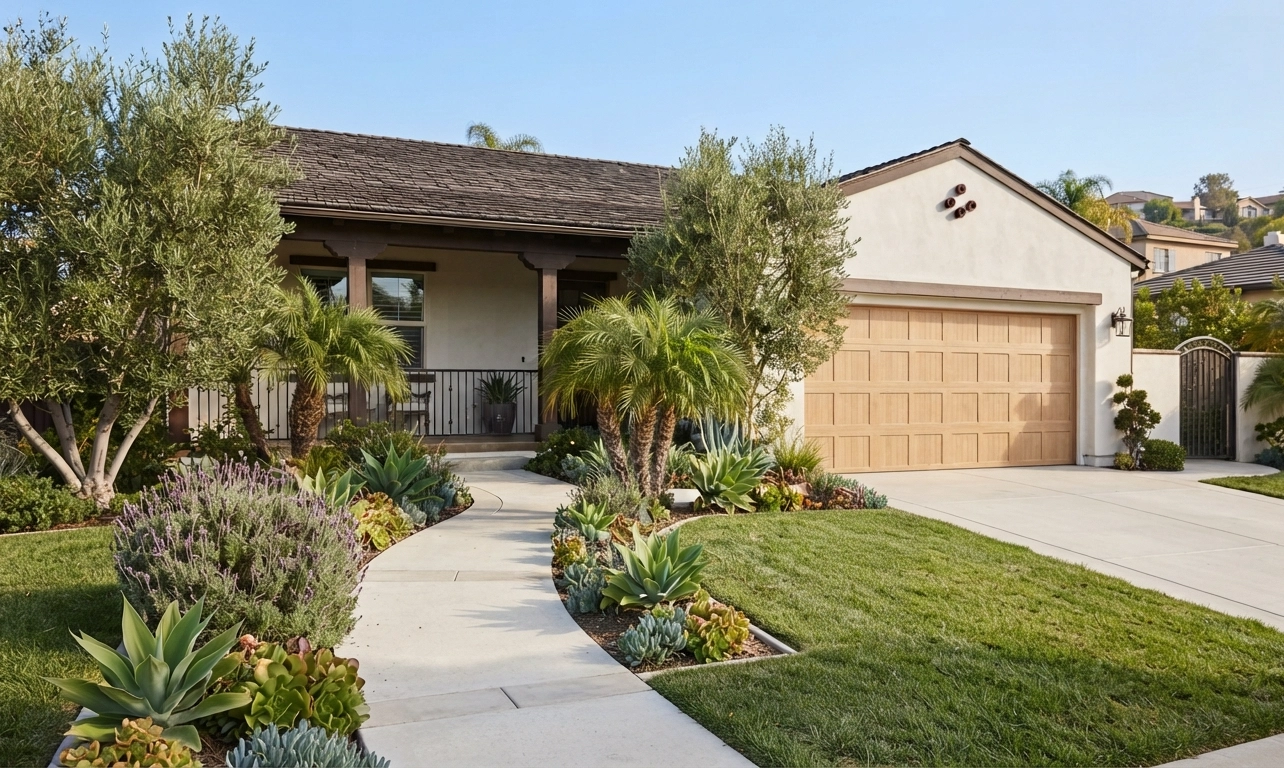
Curb appeal does not require an elaborate landscape renovation. In many cases, relatively simple improvements can make a substantial difference.
Review:
- Front landscaping
- Lawn and planting areas
- Trees and shrubs
- Walkways and driveway
- Front door
- Exterior lighting
- House numbers
- Fencing and gates
- Garage door
- Exterior paint
- Windows and screens
- Visible drainage issues
- Roof condition
Remove dead plants, trim overgrown vegetation, clean hardscape surfaces, and make the entryway inviting.
For Los Angeles County homes, landscaping should also be appropriate for the property’s neighborhood and climate. A thoughtful, maintained landscape generally creates a stronger first impression than an expensive but poorly maintained one.
3. Repair the Problems Buyers Are Most Likely to Notice
A buyer does not have to be a contractor to recognize deferred maintenance.
Common problems worth addressing include:
- Leaking faucets
- Running toilets
- Water stains
- Damaged flooring
- Cracked or peeling paint
- Broken doors
- Damaged cabinets
- Loose handrails
- Faulty light fixtures
- Broken outlets or switches
- Damaged windows
- Missing screens
- Roof leaks
- Visible plumbing problems
- Poor drainage
- HVAC problems
Do not automatically assume that every defect must be repaired before selling. The better question is whether fixing it improves marketability, reduces transaction risk, or protects value.
If a significant problem exists, discuss the options with your Realtor and appropriate licensed professionals before deciding how to handle it.
4. Make the Home Feel Clean, Bright, and Spacious
Professional photography has made presentation more important than ever.
A cluttered or dark home can photograph poorly even if the property itself has excellent features.
Before photography and showings:
- Remove excess furniture.
- Clear kitchen and bathroom counters.
- Organize closets.
- Remove personal collections.
- Clean windows.
- Deep-clean flooring.
- Clean appliances.
- Dust light fixtures and ceiling fans.
- Replace burned-out bulbs.
- Wash or repaint visibly dirty walls.
- Clean patios, decks, and outdoor living spaces.
If necessary, consider professional staging.
The objective is not to make the house look artificial. It is to help buyers understand the home’s space, functionality, and potential.
5. Don’t Overlook Odors
Odors can influence a buyer’s perception almost immediately.
Identify and address sources such as:
- Pet odors
- Smoke
- Mold or mildew
- Cooking odors
- Damp carpets
- Garbage disposal buildup
- Stagnant drains
- Poor ventilation
Avoid simply masking a persistent odor with air fresheners. If an odor indicates an underlying moisture, plumbing, ventilation, or other property issue, investigate the source.
6. Organize Your Improvement and Repair Records
Documentation can be extremely useful when selling a home.
Create a property file containing records you have available for:
- Roof replacement
- HVAC installation
- Water heater replacement
- Solar installation
- Windows
- Electrical work
- Plumbing
- Remodeling
- Room additions
- Kitchen renovations
- Bathroom renovations
- Pool improvements
- Major landscaping
- Structural work
- Permits and inspections
- Warranties
- Contractor invoices
This documentation can help your real estate professional understand the property’s history and can provide useful information during the transaction.
It can also help distinguish between improvements that are merely cosmetic and improvements that materially changed the home’s condition or functionality.
7. Verify Permits and Addition Information
One of the most important steps when preparing a Los Angeles County property for sale is determining whether past work was properly permitted.
This is particularly important if the property has had:
- Room additions
- Converted garages
- ADUs
- Enclosed patios
- Converted attics
- Major electrical work
- Plumbing modifications
- Structural alterations
- New pools
- Solar installations
- Significant grading or retaining-wall work
Los Angeles County’s permitting system explains that permits can apply to new construction, additions and alterations, repairs or replacements, electrical, plumbing and mechanical systems, solar panels, pools, and grading work.
If you are unsure whether work was permitted, do not guess. Check with the appropriate local building and safety authority.
Also remember that Los Angeles County contains numerous incorporated cities, so the responsible permitting agency may depend on the property’s exact location.
8. Be Careful With Unpermitted Improvements
Unpermitted work can become a significant issue during a sale.
It may affect:
- Buyer negotiations
- Property disclosures
- Financing
- Insurance
- Appraisal analysis
- Buyer confidence
- Future resale
The answer is not always to immediately spend money trying to legalize every modification. Depending on the situation, the appropriate solution could involve documentation, permitting, professional evaluation, disclosure, correction, or another strategy.
Discuss the issue with qualified professionals before listing.
9. Prepare Your Disclosure Information Early
California residential real estate transactions involve important disclosure requirements.
The California Department of Real Estate explains that the Transfer Disclosure Statement addresses the physical condition of the property and potential hazards or defects, while the buyer’s agent also has visual-inspection responsibilities regarding readily observable defects.
Do not wait until an offer arrives to start remembering the home’s history.
Think carefully about:
- Previous leaks
- Repairs
- Water intrusion
- Insurance claims
- Structural concerns
- Neighborhood conditions
- Remodeling
- Permits
- Property damage
- Environmental concerns
- Known defects
- Appliances and systems
- Other facts that could materially affect the property
If you are uncertain whether something should be disclosed, ask your real estate professional and, when appropriate, qualified legal or technical professionals.
The objective is not to create unnecessary alarm. It is to provide accurate information and reduce surprises later.
10. Review Natural Hazard Information
Natural hazard considerations are particularly relevant in California real estate.
The California Department of Real Estate provides a Natural Hazard Disclosure Statement framework, and California disclosure requirements have been updated to address certain fire hazard classifications.
Depending on where your Los Angeles County property is located, buyers may have questions about issues such as:
- Wildfire exposure
- Flood hazards
- Earthquake-related considerations
- Landslide or geological conditions
- Fire severity zones
- Other location-specific hazards
Your listing strategy should account for required disclosures and accurate property information rather than attempting to minimize or hide potential concerns.
11. Evaluate the Roof
A roof is one of the most important components of a home from both a buyer-confidence and maintenance standpoint.
Look for:
- Missing or damaged shingles
- Broken tiles
- Evidence of leaks
- Damaged flashing
- Ponding or drainage issues
- Worn roof surfaces
- Interior ceiling stains
- Signs of previous water intrusion
You do not necessarily need a new roof simply because you are selling.
If the roof is older but functional, documentation about its condition or previous repairs can be helpful. If there is an active defect, addressing it before listing may make more sense than waiting for a buyer to discover it during inspections.
12. Check the Major Systems
Buyers and inspectors often pay close attention to major systems.
Review the age and condition of:
- HVAC equipment
- Water heater
- Electrical panel
- Plumbing
- Sewer system
- Roof
- Windows
- Appliances
- Pool equipment
- Solar equipment
Gather manuals, service records, warranties, and installation documents where available.
A home does not need every system to be brand new. However, knowing the condition and approximate age of major systems gives you a stronger basis for pricing and negotiating.
13. Make Strategic Kitchen and Bathroom Improvements
Kitchens and bathrooms strongly influence buyer perception, but a complete remodel is not always the best investment immediately before a sale.
Consider lower-cost improvements first:
- Fresh paint
- Updated cabinet hardware
- New faucets
- Modern light fixtures
- Professional cleaning
- Refinished surfaces where appropriate
- Improved caulking
- New mirrors
- Decluttering
If a major renovation is already underway, discuss the project’s likely effect on marketability and value before committing to an expensive finish package.
An appraiser does not simply add up remodeling invoices and add that amount to a home’s value. Market value is influenced by what buyers are willing to pay for the completed property relative to competing properties.
14. Think Like an Appraiser When Evaluating Improvements
This is where a Realtor-appraiser perspective can be particularly valuable.
An appraiser’s job is not to determine how much you spent. The analysis focuses on the property’s characteristics and the market evidence supporting value.
Important considerations can include:
- Location
- Lot size
- Gross living area
- Bedroom and bathroom count
- Quality of construction
- Condition
- Renovation level
- Functional utility
- Garage and parking
- Outdoor features
- Views
- Pool
- ADU or other accessory features
- Neighborhood
- Comparable sales
- Current market conditions
The strongest improvements are often those that make the home competitive with nearby alternatives.
15. Don’t Confuse Cost With Value
One of the most common seller mistakes is assuming that every dollar spent on a renovation produces an equal increase in market value.
For example, spending $60,000 on a highly personalized kitchen does not automatically mean the home’s market value increases by $60,000.
Before making a major pre-sale improvement, ask:
Will this help the home sell faster?
Will it help the property compete against similar homes?
Will buyers perceive the improvement as valuable?
Does the improvement address a deficiency compared with competing properties?
Is the likely return worth the expense and time?
This is particularly important if the property already has a reasonable condition relative to its market segment.
16. Prepare a List of Features That Add Context to the Property
Before listing, create a detailed property fact sheet.
Include information such as:
- Approximate year of construction
- Lot size
- Living area
- Bedroom and bathroom count
- Garage size
- Recent improvements
- Roof age
- HVAC age
- Water heater age
- Solar details
- Pool information
- Landscaping improvements
- ADU details, if applicable
- Permit information
- Energy-efficient upgrades
- Major system replacements
Some information will need verification through public records, permits, title documents, or other sources.
The purpose is to give your real estate professional a complete picture of the property before developing a pricing strategy.
17. Prepare the Home for Professional Photography
Your online listing is often the buyer’s first showing.
Before the photographer arrives:
- Open blinds and curtains.
- Turn on appropriate lights.
- Remove vehicles from the driveway if practical.
- Hide trash cans.
- Remove pet items.
- Clear countertops.
- Make beds.
- Remove unnecessary decorations.
- Clean outdoor areas.
- Stage patios and entertaining spaces.
- Make the front entry attractive.
Ask your Realtor which features deserve particular attention in the photography plan.
18. Price the Home Based on the Market, Not Emotion
Preparation and pricing work together.
Even a beautifully renovated property can struggle if it is priced substantially above what comparable market evidence supports.
A Realtor may examine recent sales, active competition, pending transactions, location, condition, size, features, and buyer demand when developing a pricing recommendation.
An appraisal perspective adds another useful question:
What comparable properties would reasonably support the value being requested?
If the list price is significantly above nearby comparable properties, there should be a defensible reason for the difference.
19. Consider a Pre-Listing Inspection
A pre-listing inspection is not mandatory for every seller, but it can be useful.
It may identify issues before buyers do, giving you the opportunity to decide how to address them.
Potential benefits include:
- Fewer surprises
- Better repair planning
- More informed disclosures
- Improved pricing strategy
- Greater buyer confidence
However, an inspection does not eliminate your disclosure responsibilities, and sellers should discuss the implications of obtaining inspection reports with their real estate professional.
20. Complete the Final Walk-Through Before Going Live
Before the property officially hits the market, perform one final review.
Use this checklist:
- Exterior is clean and maintained.
- Landscaping is trimmed.
- Entryway is attractive.
- Windows are clean.
- Interior is decluttered.
- Floors are clean.
- Walls are in good condition.
- Lights and switches work.
- Plumbing fixtures work.
- HVAC is operational.
- Appliances are functional.
- Major repairs have been completed or documented.
- Permit records have been reviewed where relevant.
- Improvement records are organized.
- Disclosure information has been reviewed.
- Photography preparation is complete.
- Pricing strategy has been discussed.
- Showing instructions are ready.
What Los Angeles County Sellers Should Avoid
Preparing a home for sale is also about knowing what not to do.
Avoid:
Over-improving without market research.
A luxury renovation may not make financial sense in a neighborhood where buyers are primarily comparing functional, well-maintained homes.
Hiding defects.
Cosmetic concealment can create bigger problems later. Accurate disclosure and professional advice are safer approaches.
Ignoring permits.
Assuming buyers or professionals will never discover an unpermitted addition can create unnecessary transaction risk.
Pricing based solely on what you need to net.
Your mortgage balance, moving expenses, or desired profit do not determine market value.
Using only online estimates.
Automated valuation tools can provide a starting point, but they do not replace property-specific market analysis.
Waiting until escrow to find paperwork.
Gathering records early can make the transaction more organized.
Realtor-Appraiser’s Final Checklist
Before putting your Los Angeles County home on the market, ask yourself five questions:
1. Does the home show as well as competing properties?
If not, focus on cleaning, decluttering, repairs, landscaping, and strategic presentation.
2. Are the home’s important features documented?
Gather records for major improvements, repairs, permits, warranties, and systems.
3. Are there known issues that need to be addressed or disclosed?
Work with your Realtor and appropriate professionals to handle these correctly.
4. Does the asking price have market support?
Review comparable properties and consider the home’s condition, location, features, and competition.
5. Would an appraiser understand why the home is worth the price?
Make sure important improvements and characteristics are clearly documented and supported by market evidence.
Preparation Creates Leverage
Preparing your Los Angeles County home for sale is not about making the property perfect. It is about eliminating avoidable objections, presenting the property honestly, highlighting its strongest characteristics, and establishing a price that makes sense in the current market.
The best preparation decisions are usually strategic rather than emotional.
Fix what is important. Clean what is distracting. Document what has been improved. Investigate questionable additions or repairs. Understand your disclosure responsibilities. And before making expensive upgrades, determine whether the market is likely to reward the investment.
California’s Department of Real Estate emphasizes the importance of property disclosures, including information concerning physical condition, hazards, and material factors affecting value or desirability.
For Los Angeles County homeowners, that preparation can make the difference between simply listing a property and launching it with a well-supported strategy.
Frequently Asked Questions About Preparing a Los Angeles County Home for Sale
1. What should I do first when preparing my Los Angeles County home for sale?
Start with a property assessment. Identify deferred maintenance, cosmetic issues, clutter, landscaping needs, and any questionable improvements or additions. Then prioritize projects based on their likely effect on marketability and value rather than automatically remodeling the entire home.
2. Should I renovate my house before selling it?
Not necessarily. Some renovations can improve marketability, but expensive upgrades do not always produce an equivalent increase in value. Compare your property with competing homes and discuss potential improvements with your Realtor before making major investments.
3. Should I get a pre-listing home inspection?
A pre-listing inspection can be useful because it may reveal issues before a buyer’s inspection. It can give you more time to evaluate repair options and prepare for negotiations. However, sellers should discuss inspection reports and disclosure considerations with their real estate professional.
4. Do I need to disclose problems with my Los Angeles County home?
California residential transactions involve disclosure requirements concerning the property’s condition and other potentially material information. The exact requirements depend on the circumstances. Sellers should provide accurate information and consult their real estate professional and, when necessary, legal counsel regarding specific disclosure questions.
5. What if I have an unpermitted room addition or conversion?
Do not assume that it can simply be ignored. Determine what work was performed, which agency has jurisdiction, whether records exist, and what options may be available. Los Angeles County notes that permits can be required for additions, alterations, conversions, and various building-system improvements.
6. Does remodeling automatically increase my home’s appraisal value?
No. An appraiser does not simply add renovation costs to the previous value of the property. The analysis considers the completed home’s characteristics and market evidence, including comparable properties and the quality and relevance of improvements.
7. How important is curb appeal when selling a Los Angeles home?
Curb appeal can significantly affect a buyer’s first impression. Landscaping, exterior cleanliness, the entryway, paint, lighting, and general maintenance can make the property feel more inviting and competitive.
8. Should I stage my Los Angeles County home?
Staging can be beneficial when it improves the presentation and helps buyers understand the home’s layout and potential. Whether professional staging is worthwhile depends on the property, target market, condition, and listing strategy.
9. What documents should I gather before listing?
Gather records for major renovations, permits, warranties, roof work, HVAC systems, solar equipment, plumbing, electrical work, pool improvements, and other significant repairs. Having this information organized can make the listing and transaction process more efficient.
10. How should I determine the asking price?
Work with a qualified real estate professional to analyze comparable sales, current competition, property condition, location, size, features, and market conditions. Avoid basing the asking price solely on your purchase price, mortgage balance, desired profit, or an automated online estimate.
11. Can an appraiser consider a home’s upgrades?
Yes. Property improvements and condition can be relevant to valuation, but their impact depends on the market and the characteristics of competing properties. Quality, functionality, appeal, and market acceptance matter more than simply calculating the amount spent.
12. When should I contact a Realtor before selling?
Ideally, contact a Realtor before beginning major pre-sale work. Early advice can help you prioritize improvements, understand the likely buyer pool, gather documentation, evaluate comparable properties, and develop a pricing and marketing strategy.
A Smarter Way to Prepare Your Home for Sale
The strongest Los Angeles County listings are not necessarily the homes with the most expensive renovations. They are the properties that are well maintained, appropriately presented, accurately documented, competitively positioned, and priced according to market evidence.
A Realtor-appraiser’s perspective can help connect those pieces.
If selling your Los Angeles County home is on your horizon, contact Ronald Laws before you begin your preparation plan. A conversation early in the process can help you determine which improvements deserve your time and money, which issues require professional attention, and how to position your property for the market.