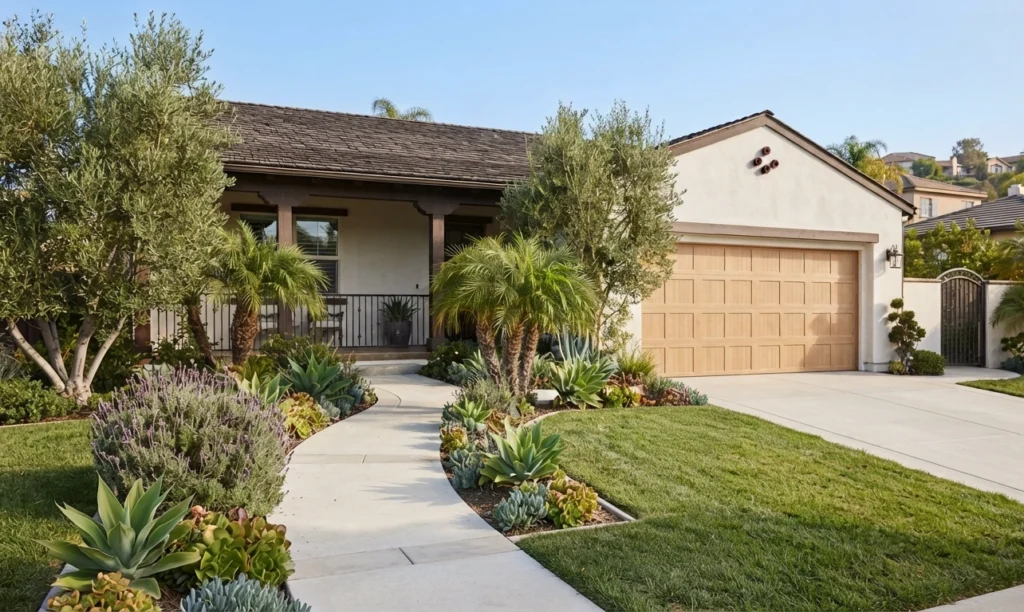

Buying a home in Thousand Oaks is a major financial decision, and the right preparation can make the difference between a confident purchase and an expensive mistake. From understanding local home values to reviewing property condition, financing, inspections, and the terms of your offer, there are several factors to consider before putting your signature on a purchase agreement.
Thousand Oaks continues to attract buyers who value its suburban setting, established neighborhoods, access to outdoor recreation, and location within Ventura County. At the same time, home prices can make affordability a significant consideration, so buyers need to look beyond the asking price and understand the full cost of ownership.
Current market data illustrates why buyers should evaluate each property individually. Recent data from Redfin put the median Thousand Oaks sale price at approximately $1.1 million, while Zillow reported a May 2026 median sale price of about $1.06 million. Differences between sources are normal because methodologies, property types, and reporting periods can vary.
If you are considering purchasing a home in Thousand Oaks, here is what you should know before making an offer.
Understand the Thousand Oaks Real Estate Market
One of the first mistakes buyers make is assuming that every home in the area follows the same pricing pattern. Thousand Oaks contains a variety of neighborhoods, property styles, lot sizes, and housing conditions, so the value of one home may differ substantially from another nearby.
Recent market statistics suggest that buyers have more room to evaluate properties than they might assume, but desirable homes can still attract strong interest. Redfin reported that homes in Thousand Oaks were taking roughly 40 days to sell over its most recent three-month measurement period, while Zillow reported a median of about 17 days to pending based on its methodology and June 2026 data.
The takeaway is simple: do not base your offer strategy on a citywide statistic alone.
Instead, examine recent comparable sales for homes with similar:
- Location and neighborhood
- Square footage
- Lot size
- Number of bedrooms and bathrooms
- Age and architectural style
- Renovation level
- Garage and parking
- Outdoor features
- Overall condition
A local real estate professional can help you determine whether the seller’s asking price is supported by recent comparable properties.
Get Pre-Approved Before You Start Negotiating
Before making an offer, know exactly how much you can comfortably spend.
A mortgage pre-approval does more than tell you what a lender may be willing to finance. It can also demonstrate to a seller that you are a serious buyer who has already taken steps toward securing financing.
However, your lender’s maximum approval should not automatically become your target purchase price.
Your actual budget should account for more than principal and interest. Depending on the property, your monthly housing expenses may include:
- Mortgage principal and interest
- Property taxes
- Homeowners insurance
- HOA dues
- Utilities
- Maintenance and repairs
- Landscaping
- Potential special assessments
- Mortgage insurance, if applicable
In a higher-priced market such as Thousand Oaks, even a relatively small change in interest rate, down payment, or purchase price can have a meaningful effect on your monthly payment.
Before making an offer, ask your lender to provide realistic payment scenarios at several purchase prices. This gives you a better understanding of where your comfort zone ends.
Look Beyond the Listing Price
The listing price is only one part of the financial picture.
For example, a home listed at $1 million is not necessarily a better deal than a home listed at $1.05 million. If the first property requires a new roof, extensive plumbing work, electrical updates, or major remodeling, its true cost could be considerably higher.
Conversely, a home priced slightly above comparable properties may have features that justify the difference.
Before deciding what to offer, consider the property’s potential total cost:
Purchase Price + Immediate Repairs + Planned Improvements + Ongoing Ownership Costs
This approach helps prevent buyers from becoming overly focused on winning the negotiation while overlooking the long-term economics of the purchase.
Research Comparable Sales Before Making an Offer
Comparable sales, often called “comps,” are among the most useful tools when determining an appropriate offer.
A good comparable is not simply the closest house that sold recently. Ideally, it should resemble the property you want to purchase in meaningful ways.
Your real estate agent can review recent transactions and help identify patterns in the neighborhood. Look at properties that have recently sold, homes currently under contract when information is available, and competing properties that are still on the market.
Pay attention to:
- Original listing price
- Final sale price
- Time on market
- Price reductions
- Condition of the property
- Renovations and upgrades
- Lot characteristics
- Location within the neighborhood
Market data can provide useful context, but a property-specific analysis is much more valuable when deciding how much to offer.
Consider the Neighborhood, Not Just the House
A beautiful home can still be the wrong purchase if its location does not fit your lifestyle.
Before making an offer in Thousand Oaks, spend time in the neighborhood at different times of day. Drive the surrounding streets during commuting hours. Visit on weekends. Pay attention to traffic, noise, parking, nearby development, and general accessibility.
Consider how the location works for your everyday routine.
You may also want to research:
- Commute times
- Access to major roads
- Nearby shopping and services
- Parks and recreational opportunities
- Community amenities
- School boundaries and programs
- Local zoning and development plans
- Neighborhood associations or HOA requirements
School information deserves particular care. School boundaries and enrollment policies can change, and a home’s proximity to a school does not necessarily mean the property is assigned to that school. Buyers should verify school information directly with the relevant school district rather than relying solely on a listing.
Evaluate the Property’s Condition Carefully
A home can look perfect during a showing and still have expensive underlying problems.
Cosmetic improvements such as fresh paint, new flooring, updated fixtures, and attractive landscaping can make a property feel move-in ready. They do not necessarily tell you anything about the condition of major systems.
Pay close attention to:
Roof
Determine the approximate age and condition of the roof. A roof nearing the end of its useful life can represent a significant future expense.
HVAC System
Ask about the age, maintenance history, and performance of heating and cooling systems. Energy efficiency can also influence long-term operating costs.
Plumbing
Look for signs of leaks, water damage, low water pressure, outdated materials, or previous plumbing repairs.
Electrical
An inspection can help identify potential electrical concerns, outdated components, or work that may need further evaluation.
Foundation and Drainage
Cracks, uneven floors, standing water, grading problems, or drainage issues should not be ignored. These conditions may require evaluation by an appropriate professional.
Windows and Doors
Older windows and doors can affect energy efficiency, comfort, and future maintenance expenses.
Landscaping and Irrigation
A large yard may be attractive, but landscaping can also create ongoing maintenance and irrigation costs.
A professional home inspection can provide valuable information before you finalize the purchase.
Pay Attention to California-Specific Considerations
Buying real estate in California requires buyers to take property disclosures and due diligence seriously.
Depending on the property, you may encounter disclosures or reports relating to matters such as previous repairs, known defects, environmental conditions, permits, neighborhood issues, or other property-specific information.
California properties may also have considerations involving wildfire risk, insurance availability, drainage, geological conditions, or other hazards depending on location.
Do not treat disclosures as paperwork to sign and forget. Read them carefully and ask questions about anything you do not understand.
If a disclosure identifies a potentially significant issue, consider whether you need additional inspections or professional evaluations before proceeding.
Understand Your Inspection and Due Diligence Options
Your offer is not simply about price. The terms and contingencies can be equally important.
Inspection and other due diligence provisions may give a buyer an opportunity to investigate the property and determine whether it meets expectations.
Depending on the transaction and the terms negotiated, buyers may need to evaluate:
- General home condition
- Roof condition
- Plumbing
- Electrical systems
- HVAC
- Sewer or septic systems, where applicable
- Pest-related concerns
- Structural conditions
- Permitted improvements
- Drainage
- Pool and spa systems
- Solar equipment
- Appliances
- Insurance considerations
Never assume that a property has no problems simply because it looks well maintained.
Be Careful About Waiving Contingencies
In a competitive market, buyers may feel pressure to make an offer more attractive by reducing or waiving contingencies.
That can make an offer stronger from the seller’s perspective, but it can also increase your financial risk.
Contingencies can provide important protections related to financing, inspections, appraisal, and other aspects of the transaction. The specific terms, deadlines, and consequences vary, so buyers should understand exactly what they are agreeing to before removing a contingency.
A strong offer does not necessarily mean an offer with the fewest protections. The goal is to create an offer that is competitive and appropriate for your financial situation.
Think About the Appraisal
If you are financing the purchase, your lender may require an appraisal.
The appraisal is designed to provide an independent opinion of the property’s value for lending purposes. If the appraised value comes in below the purchase price, you may have to address the difference depending on the terms of your contract and financing.
This is one reason comparable sales are so important before making an offer.
If you decide to offer substantially more than comparable properties support, understand that you could potentially be responsible for covering some or all of an appraisal shortfall, depending on your financing and contract.
Your lender and real estate professional can help you understand the potential implications before you submit the offer.
Know How Much Cash You Will Need at Closing
Your down payment is not the only cash requirement associated with buying a home.
Buyers should budget for closing-related expenses and other upfront costs, which can vary based on the transaction, lender, property, and negotiated terms.
You may also need cash for:
- Earnest money or deposit requirements
- Inspections
- Appraisal
- Closing costs
- Prepaid taxes or insurance
- Initial repairs
- Moving expenses
- New furnishings or appliances
- Immediate maintenance
Avoid draining your savings simply to increase your down payment. Owning a home comes with unexpected expenses, and maintaining an emergency reserve can provide valuable financial flexibility.
Decide What Makes Your Offer Competitive
When it is time to make an offer, price is important, but it is not the only factor sellers consider.
Depending on the seller’s priorities, an offer may be strengthened by:
- Strong financing
- A substantial down payment
- A well-supported purchase price
- A reasonable closing timeline
- Flexible possession terms
- Appropriate contingencies
- Clear documentation
- Fewer unnecessary complications
Your agent can communicate with the listing agent to understand what matters most to the seller when that information is available.
The strongest offer is often the one that combines financial credibility with terms that make the transaction easier for the seller.
Do Not Let Competition Push You Past Your Limit
One of the biggest emotional challenges of buying a home is falling in love with a property.
Once you imagine your furniture in the living room and your family using the backyard, it becomes tempting to stretch your budget to make the home yours.
Try to establish your maximum comfortable price before entering a multiple-offer situation.
If another buyer offers more than you are comfortable paying, walking away may be the best financial decision you can make.
There will be other homes.
The goal is not simply to have an offer accepted. The goal is to purchase a home you can afford and feel good about owning for years to come.
Consider the Long-Term Value of the Home
When evaluating a Thousand Oaks property, think beyond the first few months.
Ask yourself:
- Will the layout still work if your needs change?
- Is there room for a home office?
- How much maintenance will the property require?
- Are major systems approaching the end of their useful life?
- Is the location likely to remain convenient for your lifestyle?
- Would you be comfortable owning the property if the market slows?
- Does the home have features that are likely to appeal to future buyers?
Real estate should generally be viewed as a long-term decision rather than a short-term bet on market appreciation.
No one can guarantee what a property will be worth in the future, but careful due diligence can help you make a more informed purchase.
Work With a Local Real Estate Professional
Buying a home in Thousand Oaks becomes easier when you have someone who understands the local market and can guide you through the process.
A knowledgeable real estate professional can help you:
- Identify suitable properties.
- Analyze comparable sales.
- Evaluate the asking price.
- Develop an offer strategy.
- Review contract terms.
- Coordinate inspections and other due diligence.
- Communicate with the seller’s agent.
- Navigate negotiations.
- Monitor important transaction deadlines.
- Coordinate the path toward closing.
Local expertise is particularly valuable because neighborhood-level conditions can differ considerably even within the same city.
A Practical Pre-Offer Checklist
Before submitting an offer on a Thousand Oaks home, make sure you have considered:
- Your maximum comfortable purchase price
- Mortgage pre-approval
- Down payment and available cash reserves
- Estimated monthly housing costs
- Recent comparable sales
- Property condition
- Inspection considerations
- Seller disclosures
- Potential repair expenses
- Property taxes and insurance
- HOA fees and rules, if applicable
- Neighborhood location and lifestyle fit
- Commute and transportation needs
- School information, if relevant to your household
- Appraisal considerations
- Financing terms
- Contingencies and deadlines
- Closing timeline
- Your long-term plans for the property
This preparation can help you make an offer based on facts rather than emotion.
Frequently Asked Questions About Buying a Home in Thousand Oaks
Is Thousand Oaks a good place to buy a home?
Thousand Oaks can be an appealing choice for buyers seeking established residential neighborhoods, a suburban lifestyle, access to outdoor amenities, and a Ventura County location. Whether it is the right place for you depends on your budget, lifestyle, commute, housing needs, and long-term goals.
How much does a home cost in Thousand Oaks?
Home prices vary significantly depending on neighborhood, property type, size, condition, and other characteristics. Recent 2026 market data has placed the Thousand Oaks median sale price around the $1 million-plus range, although individual properties can sell for substantially less or more.
How much should I offer on a Thousand Oaks home?
There is no universal percentage that every buyer should offer above or below the asking price. The appropriate offer should be based on comparable sales, property condition, market competition, seller circumstances when known, and your own budget.
Should I get pre-approved before making an offer?
Yes. A mortgage pre-approval can help establish your purchasing power and demonstrate to sellers that you are financially prepared to move forward. It is also useful for setting a realistic budget before you begin negotiating.
Should I have a home inspection?
A professional inspection can identify potential issues that may not be visible during a typical showing. The inspection process and contractual rights vary by transaction, so buyers should understand the applicable terms and deadlines before proceeding.
Is it necessary to use a real estate agent when buying in Thousand Oaks?
A buyer may have the ability to purchase without an agent, but working with an experienced local professional can provide valuable assistance with market analysis, negotiations, contracts, due diligence, and transaction coordination.
What should I look for before making an offer?
Look beyond cosmetic features. Review comparable sales, property condition, disclosures, location, potential repairs, financing requirements, insurance considerations, and the overall cost of ownership before deciding what to offer.
Should I waive contingencies to make my offer stronger?
Not automatically. Waiving or reducing contingencies can increase the attractiveness of an offer but may also increase your risk. Discuss the advantages and potential consequences of any contingency changes with your real estate and legal professionals.
Make Your Thousand Oaks Home Purchase With Confidence
Buying a home in Thousand Oaks is a significant investment, and a successful purchase starts well before the offer is submitted. The more thoroughly you understand the property, the neighborhood, the comparable sales, the financing, and the terms of the transaction, the better positioned you are to make a smart decision.
Market statistics can provide useful context, but they should not replace property-specific analysis. Whether you are purchasing your first home, moving within the Conejo Valley, or looking for a long-term property in Thousand Oaks, having a clear strategy can help you avoid costly surprises.
Ready to Make Your Thousand Oaks Home Search More Strategic?
If you are considering buying a home in Thousand Oaks and want guidance before making an offer, contact Ronald Laws. Ronald Laws can help you evaluate available properties, understand local market conditions, review comparable sales, and develop an offer strategy tailored to your goals.
Contact Ronald Laws today to start your Thousand Oaks home-buying journey with a clear plan and informed strategy.