
When you are selling your home, refinancing your mortgage, applying for a home loan, or simply trying to understand your property’s market value, a professional appraisal can play an important role. But what exactly does a real estate appraiser look for when valuing your home?
A home appraisal is more than a quick walk-through and an estimate based on appearance. A qualified real estate appraiser considers numerous factors that can influence a property’s market value. These may include the home’s location, size, condition, layout, improvements, features, surrounding neighborhood, and recent sales of comparable properties.
Understanding the appraisal process can help homeowners prepare their property, set realistic expectations, and avoid surprises when an appraisal is required.
In this guide, we will explain the major factors an appraiser considers when determining the value of your home and what you can do to make sure your property is accurately represented.
What Is a Real Estate Appraisal?
A real estate appraisal is a professional opinion of a property’s value prepared by a qualified appraiser. The purpose is generally to determine what a property is reasonably worth in the current market based on objective factors and available market evidence.
An appraisal is different from a home inspection. A home inspector primarily evaluates the condition and function of a property, looking for potential defects and maintenance concerns. An appraiser, on the other hand, focuses on the property’s overall market value.
The appraiser may inspect the property, research the local real estate market, analyze comparable sales, and consider characteristics that make the home more or less desirable to potential buyers.
The final valuation is intended to provide an informed estimate of the property’s market value rather than simply reflect the amount a homeowner hopes to receive.
1. Location and Neighborhood
One of the most important factors affecting a home’s value is location.
A beautifully renovated home may still have a different value from a similar property located in another neighborhood. Appraisers consider the characteristics of the area surrounding the property because location can significantly influence buyer demand.
Factors may include:
- The overall desirability of the neighborhood
- Proximity to schools and educational institutions
- Access to shopping, dining, and entertainment
- Distance to major roads and transportation
- Nearby employment centers
- Parks and recreational facilities
- Neighborhood development
- Local amenities
- General market demand
- Surrounding property values
The appraiser may also consider whether the property is located in an established neighborhood, a rapidly developing area, or a market experiencing declining demand.
Location is particularly important because homeowners generally cannot change it. However, understanding how location affects value can help you make better decisions about pricing, improvements, and timing when selling.
2. The Size of the Property and Living Area
The size of your home is another significant factor.
An appraiser will typically document the property’s overall dimensions and consider the amount of usable living space. The number of bedrooms and bathrooms can also affect the property’s appeal and marketability.
During the appraisal, the appraiser may consider:
- Total living area
- Number of bedrooms
- Number of bathrooms
- Overall room dimensions
- Number of floors
- Garage or parking space
- Finished areas
- Outdoor living areas
- Lot size
However, bigger does not automatically mean more valuable. The usefulness and functionality of the space matter as well.
For example, two homes may have a similar total square footage, but one may have a practical, open layout while the other has unusually small or awkward rooms. The market may value those properties differently.
3. The Condition of Your Home
The physical condition of your property can have a substantial impact on its value.
An appraiser will look at the general condition of the home and note visible characteristics that may influence how buyers perceive the property.
This can include the condition of:
- Roofing
- Exterior walls
- Windows and doors
- Flooring
- Walls and ceilings
- Kitchen
- Bathrooms
- Plumbing fixtures
- Electrical systems and visible components
- Heating and cooling equipment
- Built-in features
- Garage and other structures
The appraiser is not necessarily performing the same type of detailed examination as a home inspector. Instead, the focus is on observable characteristics that may affect the property’s marketability and value.
A home that appears well maintained and cared for may compare more favorably with similar properties than a home with obvious deferred maintenance.
4. Recent Renovations and Improvements
Home improvements can influence value, but not every renovation adds value dollar for dollar.
An appraiser may consider improvements such as a remodeled kitchen, updated bathrooms, new flooring, upgraded windows, additional living space, or significant exterior improvements.
Other potentially relevant improvements include:
- New or updated roofing
- Modernized kitchens
- Renovated bathrooms
- Energy-efficient upgrades
- Additional bedrooms
- Finished living areas
- Updated flooring
- Improved landscaping
- Additional parking
- Outdoor entertainment areas
- Significant structural improvements
The key consideration is how those improvements compare with what buyers expect in the local market.
For example, installing an extremely expensive kitchen in a neighborhood where most homes have modest kitchens may not produce the same return as a renovation that is consistent with local buyer expectations.
If you have completed major improvements, keep documentation such as permits, invoices, receipts, and project records. Providing accurate information can help the appraiser understand what has been changed and when the improvements were completed.
5. The Quality of Construction and Materials
An appraiser may also evaluate the overall quality of construction and the materials used throughout the property.
Homes constructed with durable materials and quality workmanship may have different market values from properties with basic construction or visible wear.
The appraiser may take note of characteristics such as:
- Quality of exterior materials
- Flooring materials
- Cabinetry
- Countertops
- Fixtures
- Doors and windows
- Built-in features
- Construction quality
- Overall workmanship
- Age and quality of major components
These factors are considered alongside other characteristics rather than evaluated in isolation.
A high-quality feature can contribute to value, but its impact depends on whether similar features are valued by buyers in that particular market.
6. The Layout and Functionality of the Home
A home’s floor plan can affect its appeal just as much as its size.
An appraiser may consider whether the property provides functional living space for the type of buyer typically interested in the neighborhood.
For example, a home with an appropriate number of bedrooms and bathrooms, a practical kitchen, comfortable living areas, and good flow between rooms may be more desirable than a similarly sized property with an inefficient layout.
Functional features can include:
- Logical room arrangement
- Adequate bedroom space
- Convenient bathroom placement
- Usable kitchen space
- Storage
- Natural flow between living areas
- Accessibility of key areas
- Practical parking and garage arrangements
This is one reason why simply adding square footage does not always result in a proportional increase in value.
7. Lot Size and Property Characteristics
The land surrounding the home is another factor that can influence value.
An appraiser may examine the lot’s size, shape, usability, topography, access, and overall appeal. A larger lot can be valuable, but the usefulness of the land is important as well.
For example, a large but steep or difficult-to-use lot may not have the same market appeal as a smaller, level lot that provides functional outdoor space.
The appraiser may consider:
- Lot size
- Lot shape
- Topography
- Privacy
- Landscaping
- Accessibility
- Views
- Outdoor living space
- Potential use of the land
Other site characteristics, including easements or unusual property features, may also be relevant depending on the property and appraisal assignment.
8. Comparable Recently Sold Homes
Comparable properties, often called “comps,” are one of the most important tools used when estimating market value.
An appraiser typically researches recently sold properties that are similar to the subject property. These properties provide evidence of what buyers have actually paid in the market.
Comparable properties may be evaluated based on:
- Location
- Property type
- Size
- Lot size
- Age
- Number of bedrooms and bathrooms
- Condition
- Quality
- Features
- Recent improvements
- Sale date
- Overall market characteristics
No two homes are exactly alike, so an appraiser may make adjustments when comparing the subject property with comparable sales.
This is why a neighbor’s recent sale price does not necessarily mean your home has exactly the same value. Differences in condition, size, location within the neighborhood, improvements, and other characteristics can all affect the analysis.
9. Current Real Estate Market Conditions
The real estate market is constantly changing, and an appraiser considers the market conditions relevant to the valuation.
Supply and demand can influence property values. In a market where buyer demand is strong and inventory is limited, prices may behave differently than they would in a market with substantial inventory and fewer buyers.
An appraiser may analyze factors such as:
- Recent sales activity
- Listing activity
- Market trends
- Price changes
- Buyer demand
- Available inventory
- Time properties remain on the market
- Local economic conditions
The goal is to determine how the property fits into the market at the relevant valuation date.
10. Special Features and Amenities
Unique features can affect a home’s appeal and potentially its value.
Examples might include:
- Swimming pools
- Large garages
- Additional parking
- Views
- Outdoor kitchens
- Patios
- Balconies
- Fireplaces
- Smart-home features
- Solar improvements
- Security systems
- High-quality appliances
- Custom architectural features
However, homeowners should not assume that every expensive feature automatically increases value by the amount spent on it.
An appraiser considers whether a feature is desirable and how similar features are treated in the local market.
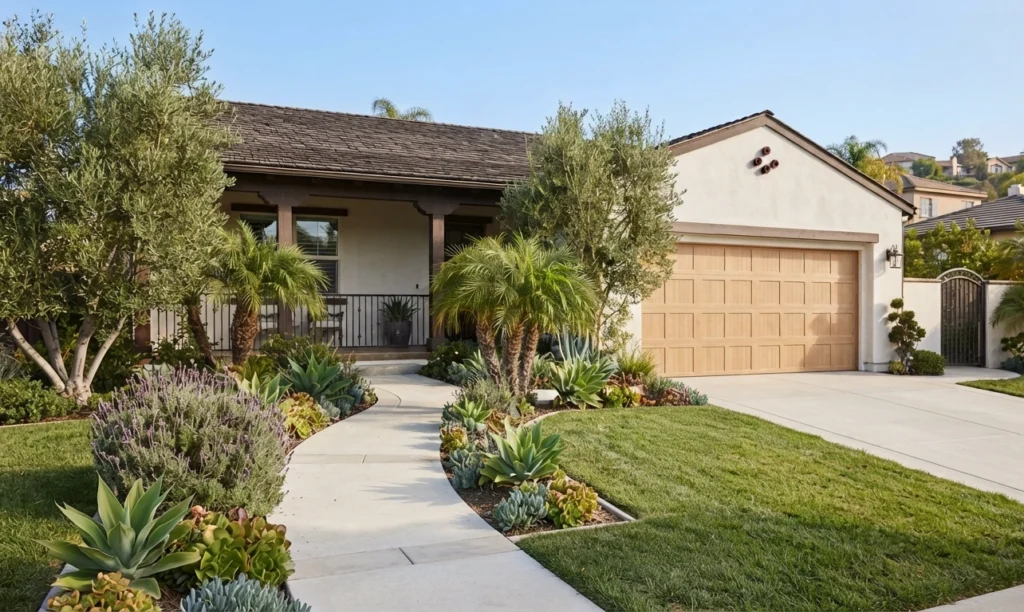
11. Exterior Appearance and Curb Appeal
First impressions matter in real estate, and the property’s exterior condition can be relevant to its overall appeal.
An appraiser may observe:
- Landscaping
- Exterior paint or finishes
- Driveways and walkways
- Fencing
- Doors and windows
- Roof condition
- Visible maintenance issues
- Outdoor structures
- General property upkeep
You do not necessarily need to spend thousands of dollars on landscaping before an appraisal. Basic maintenance, cleanliness, and addressing obvious problems can help ensure that the property is presented in a reasonable condition.
12. Safety, Maintenance, and Visible Deficiencies
Visible issues may affect how the property compares with other homes.
Problems such as significant water damage, deteriorated materials, obvious structural concerns, damaged roofing, or substantial deferred maintenance may influence the valuation depending on their nature and severity.
Before an appraisal, walk around your home and look for issues that are clearly visible. Address reasonable maintenance items when practical, and keep records of major repairs.
If you know of a significant issue that cannot be repaired before the appraisal, it is better to provide accurate information rather than attempt to hide it.
How Can You Prepare Your Home for an Appraisal?
While you cannot control the final valuation, you can make sure the appraiser has accurate information about your property.
Start by completing reasonable maintenance. Fix minor issues that could make the property appear neglected. Clean and organize the home so the appraiser can easily observe its features and condition.
It can also be helpful to prepare a summary of significant improvements.
Include information such as:
- Dates of major renovations
- Approximate renovation costs
- Permits, when applicable
- New major systems or equipment
- Additional living space
- Significant exterior improvements
- Other features that may not be immediately obvious
Make sure the appraiser has access to all relevant areas of the property.
Most importantly, do not assume that expensive cosmetic improvements automatically produce a higher appraisal. The value of improvements depends heavily on the local market and comparable properties.
What Can Cause a Home Appraisal to Come in Lower Than Expected?
Homeowners are sometimes surprised when an appraisal is lower than their expectations.
Several factors can contribute to a lower valuation, including:
- Recent comparable sales at lower prices
- Declining market conditions
- Property condition issues
- Functional problems
- Smaller living area than expected
- Limited buyer demand
- Significant deferred maintenance
- Location-related disadvantages
- Over-improvement compared with surrounding properties
- Differences between the home and the properties used as comparable sales
It is important to remember that an appraisal is based on market evidence rather than the homeowner’s emotional attachment to the property or the amount originally spent on it.
The cost of construction or renovation is not always the same as the amount those improvements contribute to market value.
Does a Homeowner’s Asking Price Affect the Appraisal?
The asking price can provide context, but it does not determine the appraised value.
An appraiser’s opinion should be supported by relevant market data and an analysis of the property. If a home is listed substantially above comparable sales, the listing price alone does not guarantee that the appraisal will support that amount.
This is one reason working with an experienced real estate professional can be valuable when establishing an asking price. A well-supported pricing strategy can take into account recent comparable sales, market conditions, property features, and buyer demand.
Why Accurate Property Information Matters
An accurate appraisal depends on accurate information.
If an appraiser is unaware of a significant improvement or does not have access to an area of the property, the valuation process may not fully reflect the home’s characteristics.
Homeowners can help by providing clear, factual information about the property.
Avoid exaggerating the value of improvements. Instead, provide documentation and allow the appraiser to determine how those improvements should be considered within the market.
How a Real Estate Professional Can Help
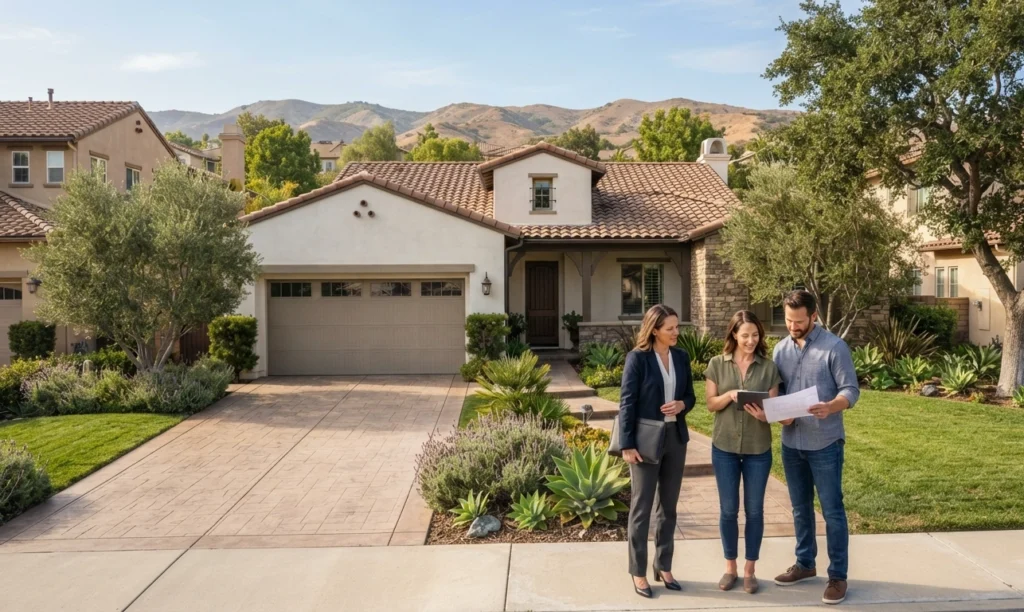
An experienced real estate professional can help you understand how your home compares with other properties in the market before an appraisal takes place.
They can review recent comparable sales, discuss current market conditions, identify features that may influence buyer demand, and help you establish realistic expectations.
Whether you are preparing to sell, considering refinancing, or simply want to understand your property’s potential market value, professional guidance can make the process easier to navigate.
Understanding What an Appraiser Looks For
So, what does a real estate appraiser look for when valuing your home?
The answer is a combination of factors rather than one specific feature. Location, size, condition, layout, lot characteristics, improvements, construction quality, amenities, comparable sales, and current market conditions can all contribute to the final valuation.
Preparing your property properly and providing accurate information can help ensure that the appraiser has a clear understanding of the home.
At the same time, homeowners should remember that an appraisal is an independent assessment based on market evidence. Spending more money on renovations does not necessarily mean the property’s value will increase by the same amount.
If you are considering selling your home, understanding the factors that influence value can help you make more informed decisions about pricing, improvements, and timing.
Frequently Asked Questions About Home Appraisals
1. What does a real estate appraiser look for when valuing your home?
A real estate appraiser generally considers the home’s location, size, condition, layout, lot, construction quality, improvements, features, comparable sales, and current market conditions. The appraiser uses these factors to develop an informed opinion of the property’s market value.
2. Does a clean house increase its appraised value?
Cleanliness itself does not necessarily add a specific dollar amount to a property’s value. However, a clean and accessible home allows the appraiser to observe the property’s condition and features more easily. Addressing visible maintenance problems can also help the property present more favorably.
3. Do renovations increase home appraisal value?
Renovations can contribute to a home’s value, but the increase is not necessarily equal to the amount spent. The impact depends on the quality and usefulness of the renovation, buyer preferences, comparable properties, and local market conditions.
4. What improvements should I tell the appraiser about?
Tell the appraiser about significant improvements such as renovations, additions, updated major systems, substantial exterior work, and other meaningful upgrades. Documentation such as permits, invoices, receipts, and project information can be useful when available.
5. How are comparable homes selected for an appraisal?
Comparable properties are generally selected based on similarities to the property being appraised. Factors can include location, property type, size, condition, age, features, and recent sale activity. The appraiser may make adjustments to account for meaningful differences.
6. Can landscaping affect a home appraisal?
Landscaping and outdoor improvements can contribute to the overall appeal and characteristics of a property. However, their effect on value depends on the local market and the quality, usefulness, and desirability of the improvements.
7. Does the number of bedrooms affect home value?
Yes, the number of bedrooms can influence marketability and value. However, bedrooms are considered along with total living area, layout, condition, location, comparable sales, and other characteristics.
8. Can I challenge a low home appraisal?
Depending on the circumstances, you may be able to request a review or reconsideration if you believe the valuation contains factual errors or important information was overlooked. Supporting your position with relevant, reliable market information is generally more useful than simply arguing that the value should be higher.
9. Is an appraisal the same as a home inspection?
No. An appraisal primarily estimates market value, while a home inspection focuses on evaluating the property’s condition and identifying potential defects or maintenance concerns. The two processes serve different purposes.
10. Should I make major renovations before an appraisal?
Not necessarily. Major renovations should be considered carefully based on your goals, budget, local market, and expected return. A renovation does not automatically increase a property’s value by its full cost. For personalized guidance, discuss potential improvements with a knowledgeable real estate professional before making a major investment.
Ready to Better Understand Your Home’s Value?
Talk With Ronald Laws About Your Real Estate Goals
Understanding your property’s value is an important step whether you are preparing to sell, considering a move, evaluating your options, or simply trying to make informed decisions about your real estate investment.
Instead of guessing what your home may be worth, work with a real estate professional who can help you understand the factors influencing your property’s position in the current market.
Contact Ronald Laws today to discuss your property, your goals, and the next steps you can take toward making a confident real estate decision.
Ronald Laws
Real Estate Professional
Contact Ronald Laws to get started.